Caribooooouuuu
Caribou. Caribooooouuuu. Is how my sister used to tell my kids she loved them. Caribooouuuu they would sing back in response.
As I have transitioned from winter to spring and now am on the precipice of summer solstice, caribou has been on my mind and in my heart.
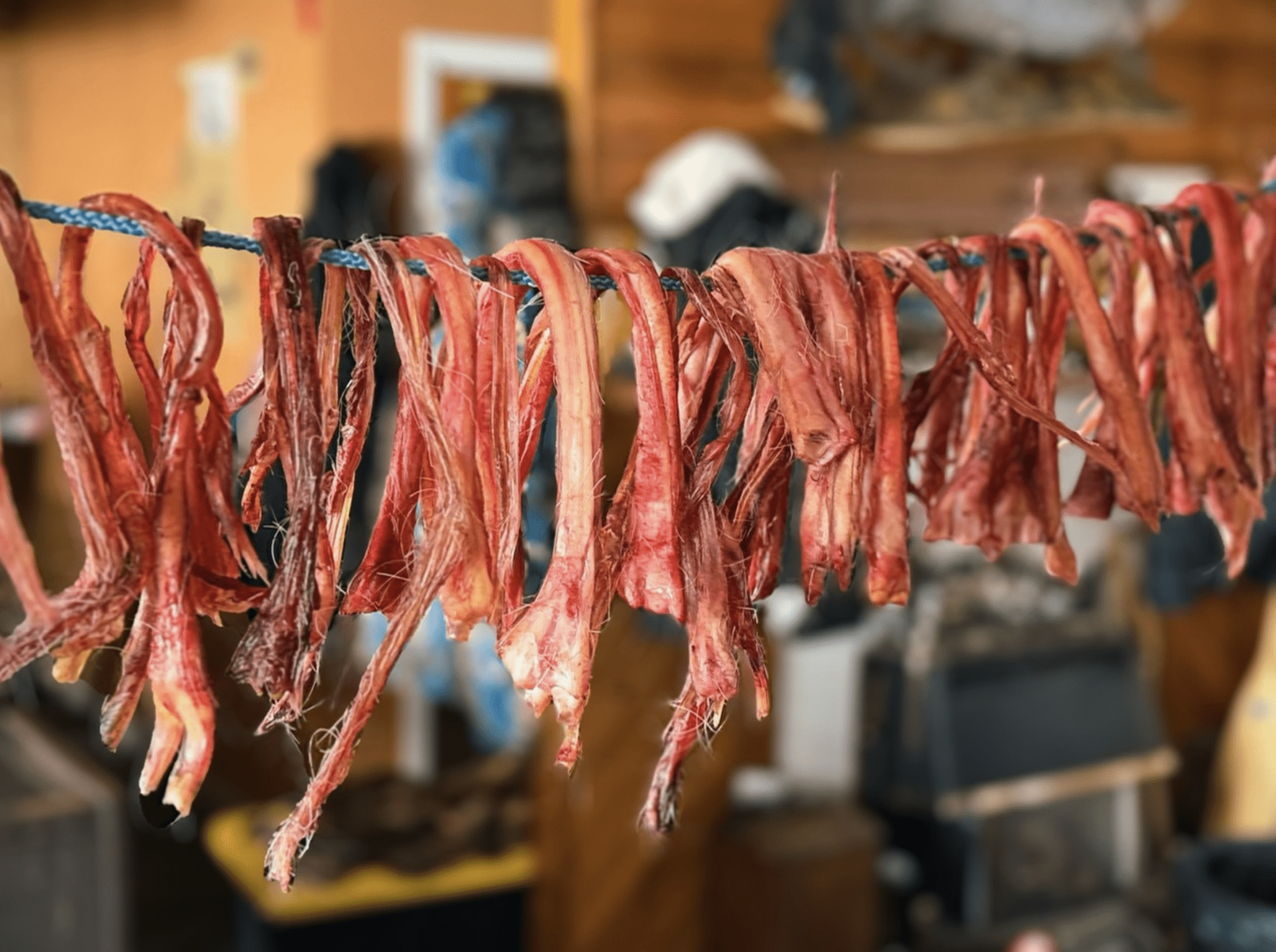
I was fortunate enough as a harvester and hide tanner to get to see them walking and feeding on the barren ground this winter. We worked to utilize what had been left behind by hunters. To clean and process leg bones for tools, hooves for art and rattles, leg skins for sewing, tendons for sinew, heads for brains for hide tanning, antlers, jaws and teeth for art; hides for tanning and sewing, fur for tufting, collagen and nutrients for our bodies. The weather was cold, the winds could be relentless. Yet I felt warm and taken care of by our hosts at the lodge, the elders who patiently took time to teach and work joyfully alongside us, by my fellow harvesters and tanners, and most importantly by the Caribou who provided so much that their gift was already rippling across our families and communities and bringing us all closer together.
Angela Code, one amongst our small little family and community on the barren grounds, shared that she once heard someone at a conference say “we were once Caribou people” and how that had stayed with her and broke her heart to think of that relationship being broken. It stayed with me too. It got me thinking about what it means to be a Caribou person/people. To reflect on how I am showing up in my own relationship with Caribou. Do I give it the same love, care and thoughtfulness I give my human relations?
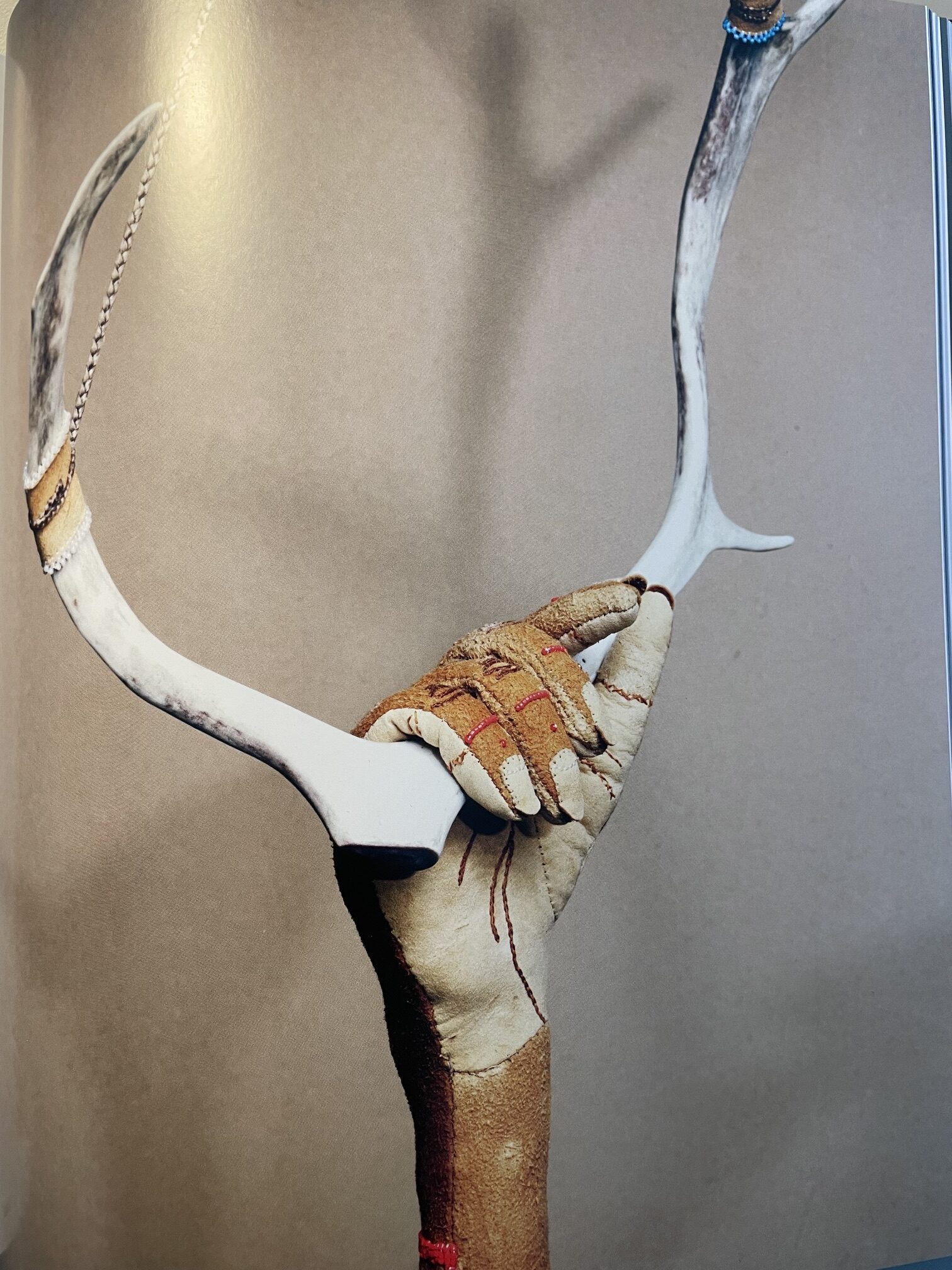
I reflected on this as I stayed with my sister through the end of winter and beginning of spring and watched her sew her vision and reflections of this timeless Dene/Caribou relationship to life.
I reflected on this as I cooked fresh caribou to feed my family and thought about the countless ways I could honour the ingredients and their relationships to each other and how I could nourish our bodies and souls.
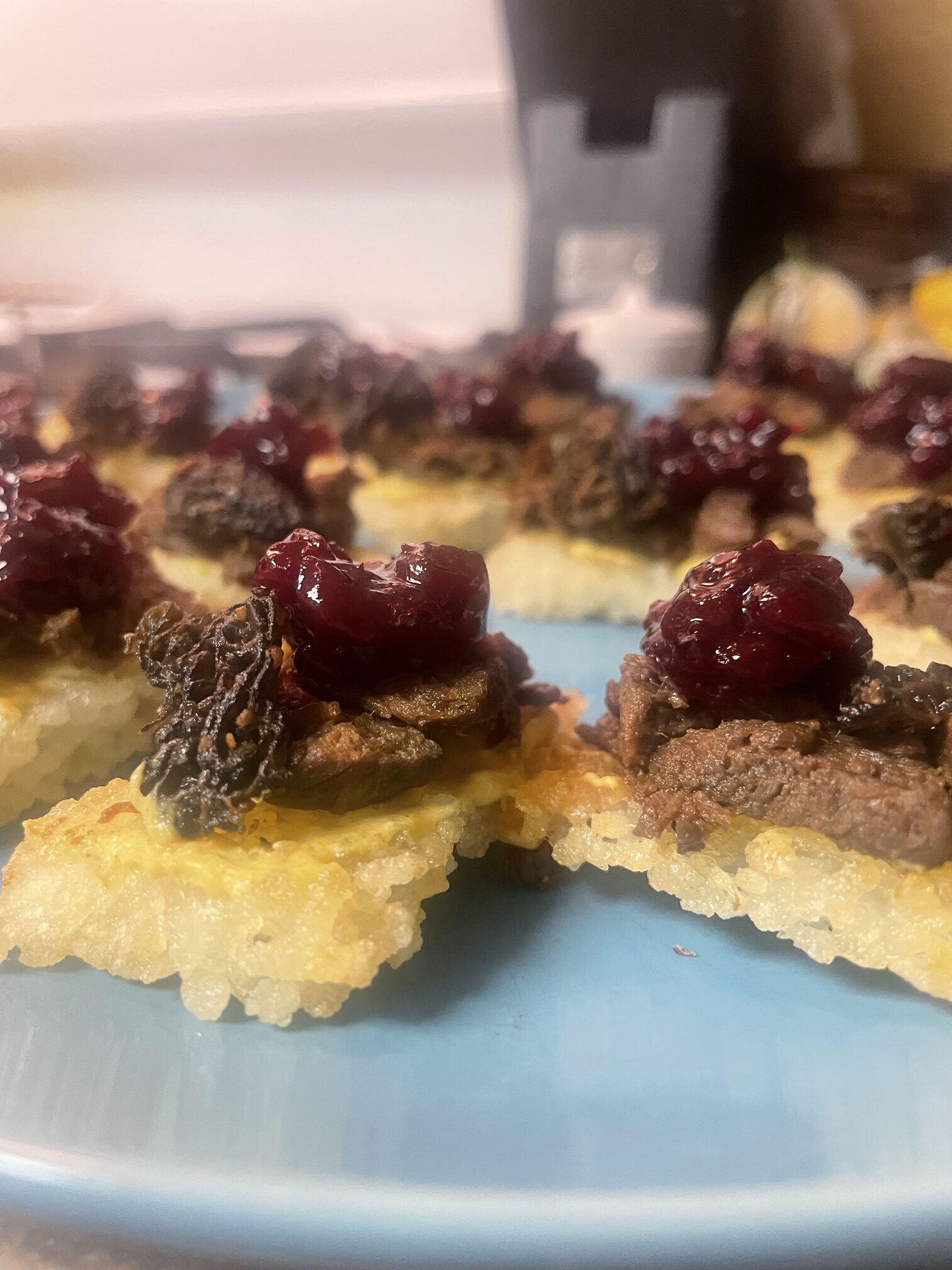
I reflected on this when I got to share Caribou with an Inuk friend that has been homesick for Caribou and her community and watched her feed it to her baby for the first time.
I thought about this as I started my role with Supporting Wellbeing and realized how much Caribou has supported my own wellbeing and thought about how I have a responsibility to do the same for the Caribou. How have I done this? Could I be doing better?
It came up again when I listened to our Project Director, Rachel give a presentation on our work to a group of high school students and how she referenced The Seven Circles, Indigenous Teachings for Living Well, by Chelsey Luger and Thosh Collins, as a way to think about our own wellbeing. The Seven Circles are movement, land, community, ceremony, sacred space, sleep, and food. They are interconnected and at different times in our lives we may need to focus our mind and actions on some areas more than others to keep our balance. I thought about the ways Caribou also live this way, and how I have interacted with them in my own circles.
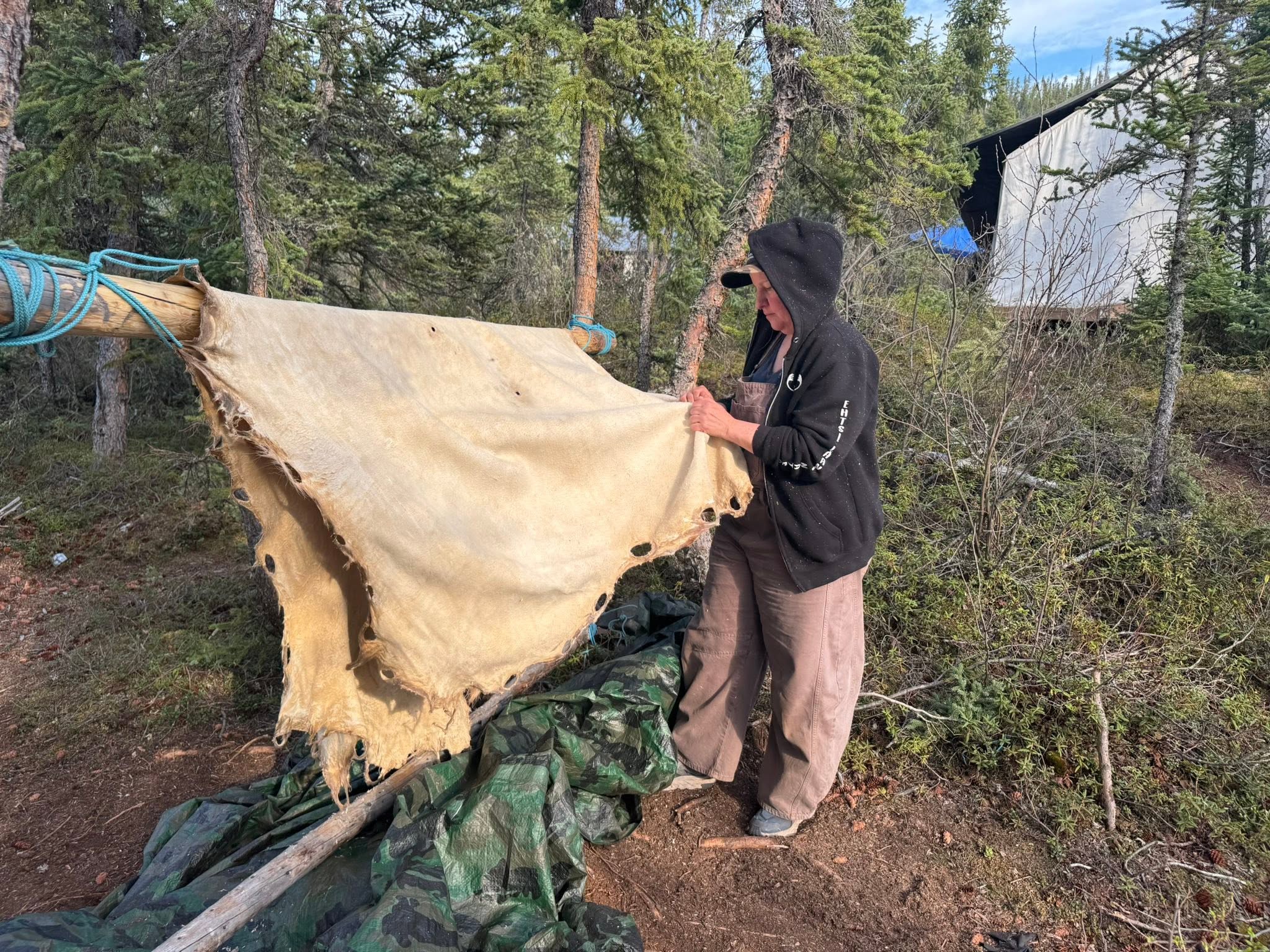
I reflected on this in Łutselkʼe at hide camp and expanded my thoughts to the Elk and Moose whose hides I worked on; the Trout and Muskox that nourished me and that I would get to dry and share with my kids to nourish not only their bellies, but also their souls; the Spruce who kept us warm, gave us smoke and poles for our hides, boughs for our bedding and medicine to share with my mom.
I reflected on this as I listened to Amos Scott, Janelle Nitsiza and Angela Code speak at the start of the North American Caribou Workshop, as Guardians, Hide Tanners and Dene. To share their own stories of the importance of honouring this relationship with Caribou in their lives, in their families, communities and for their nations.
As we celebrate the summer solstice, Indigenous Day (month, year, lifetimes), I hope you, too, can spend some time reconnecting with your non-human relations and reflect on how you support each other’s wellbeing. Caribooooouuuuu.