Our Team

Learn more about who helps to build and operate SWB below

Staff

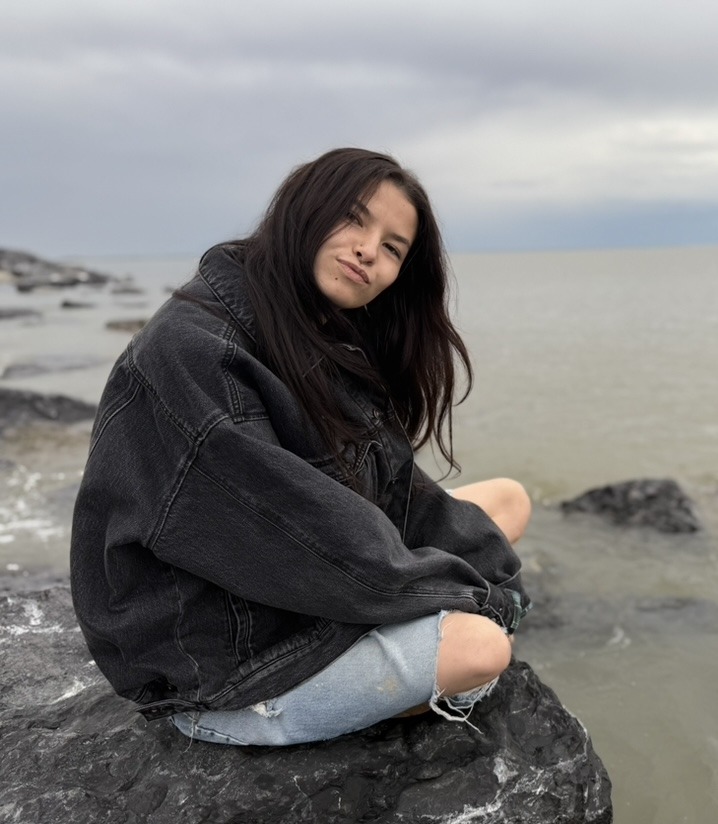
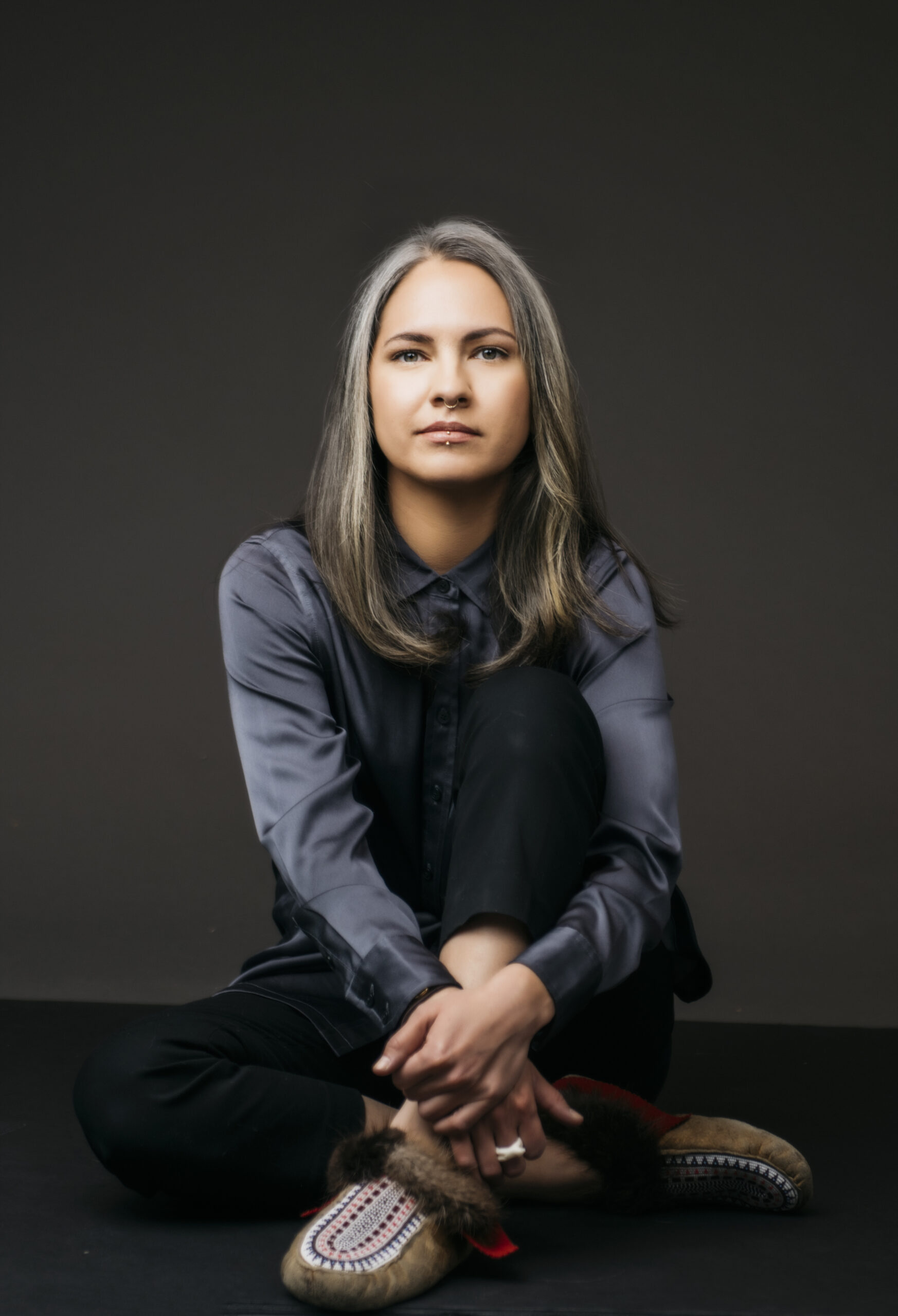
Rachel Cluderay

| Project Director

Sǫ̀mba K’è, NWT

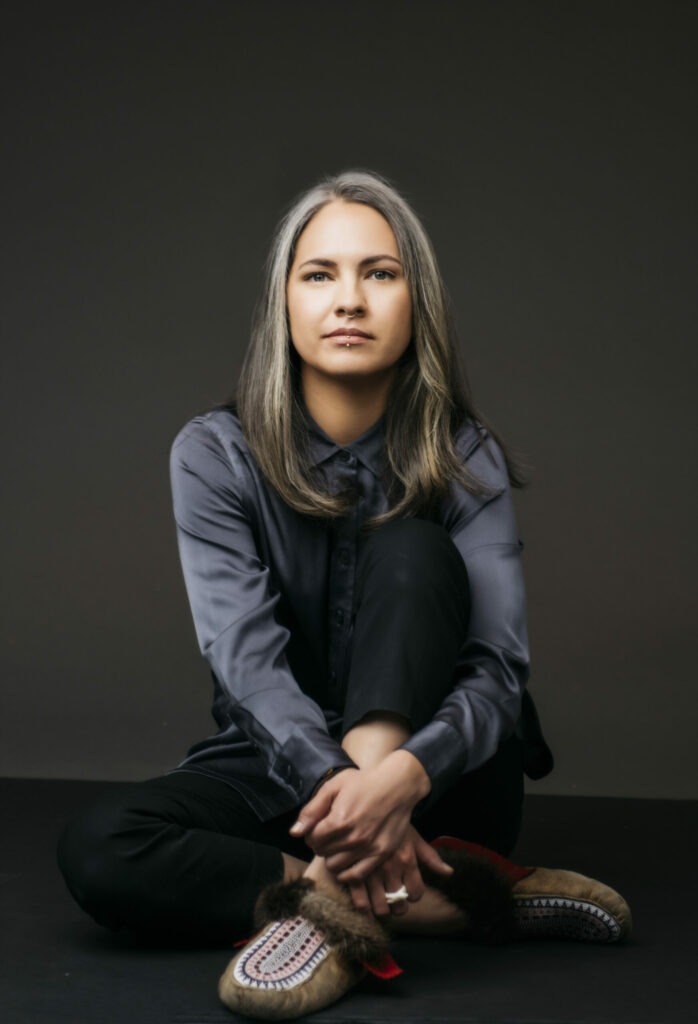
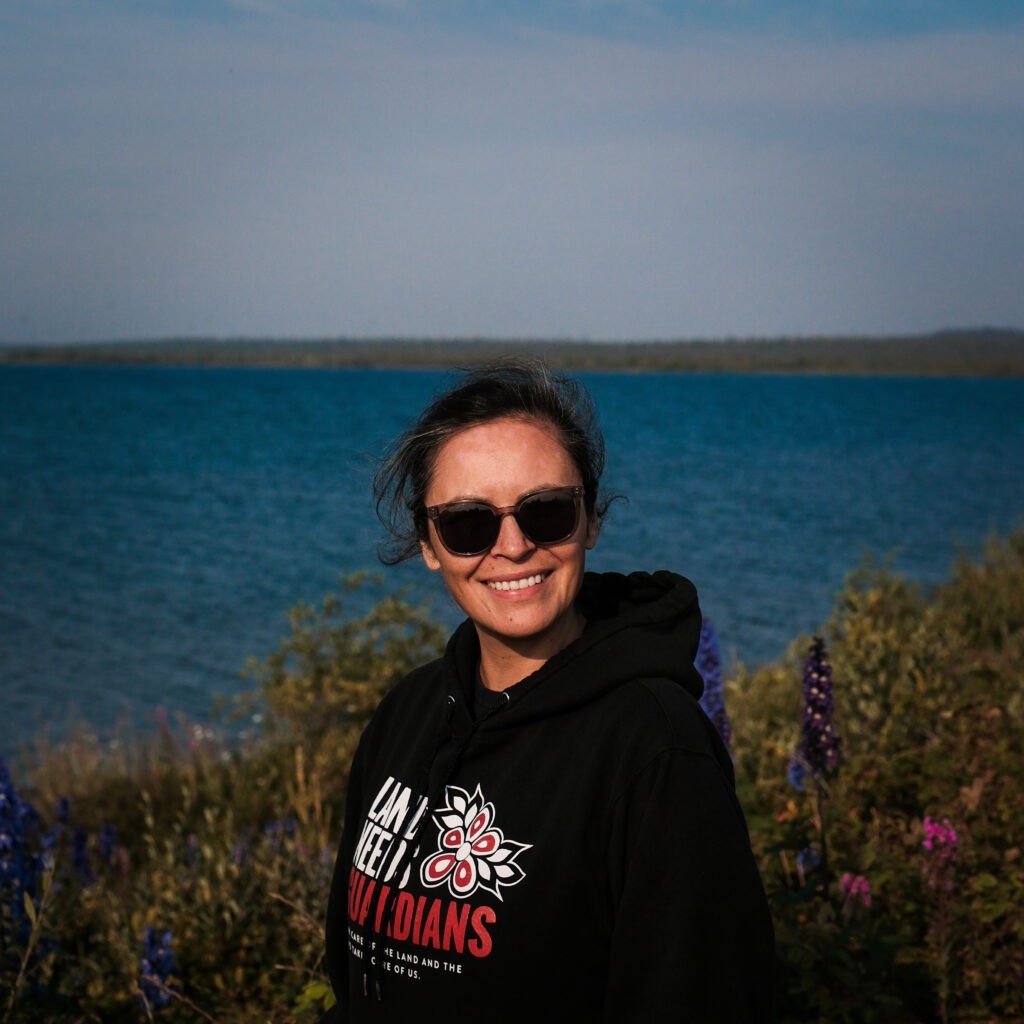
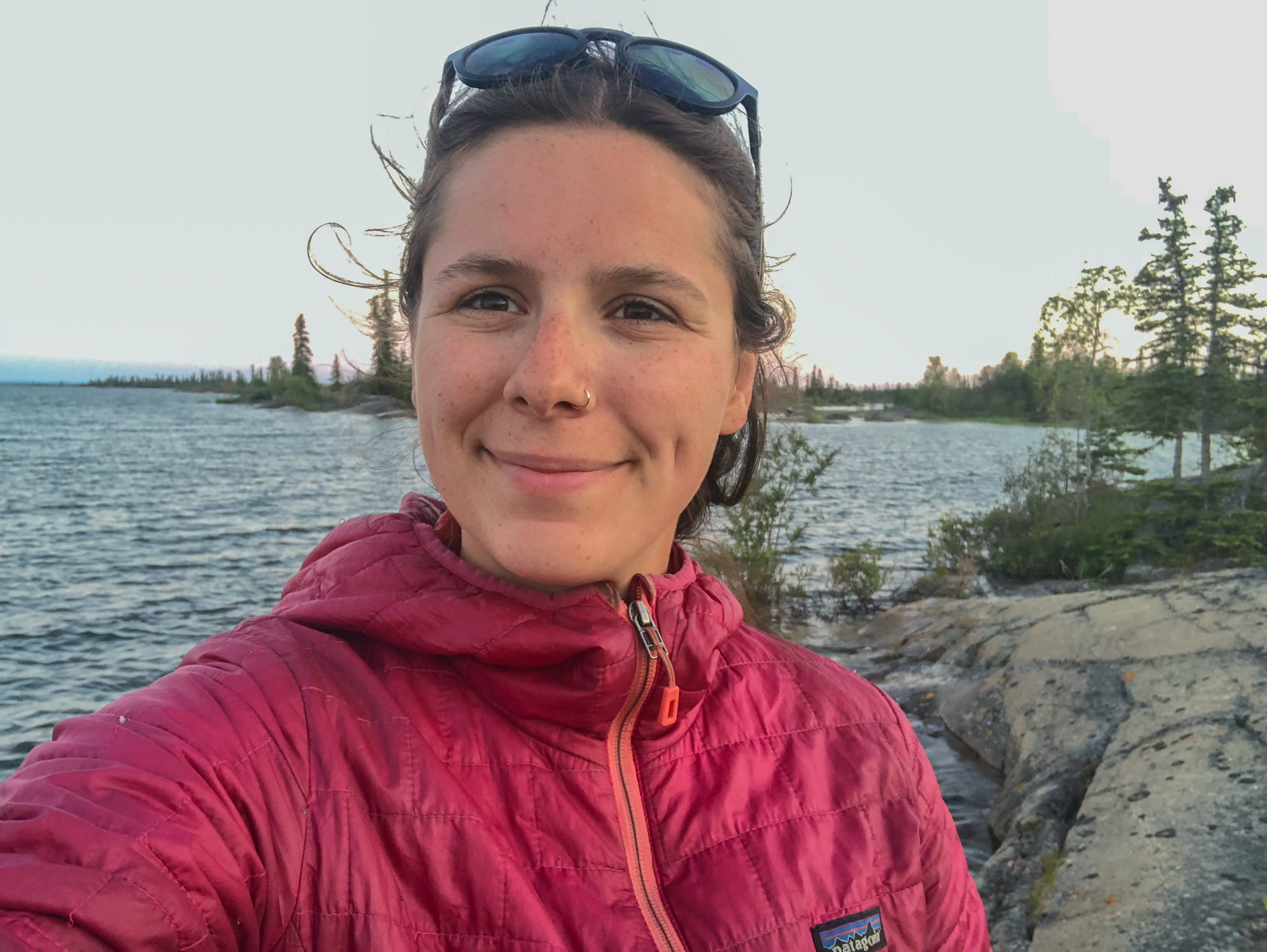
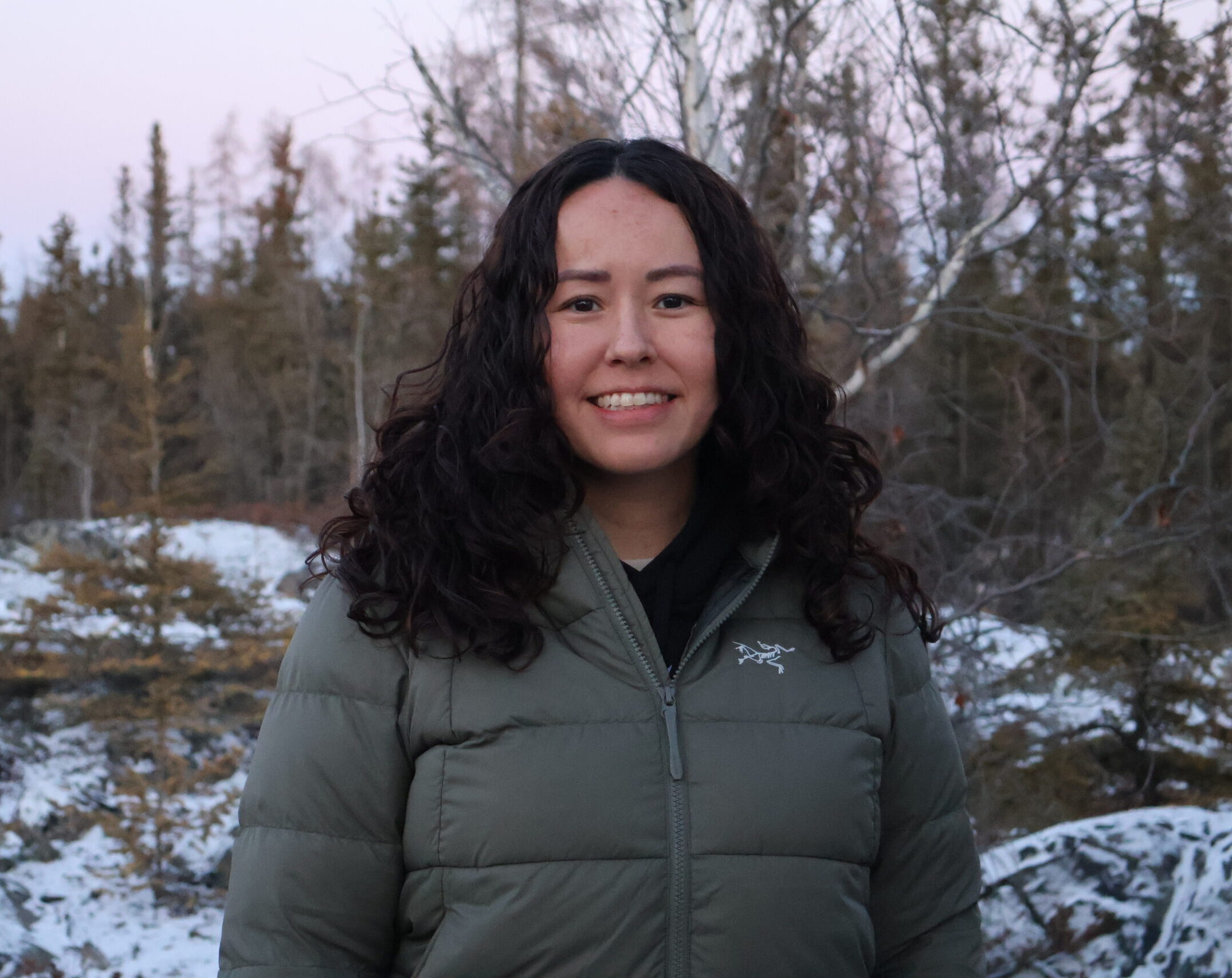
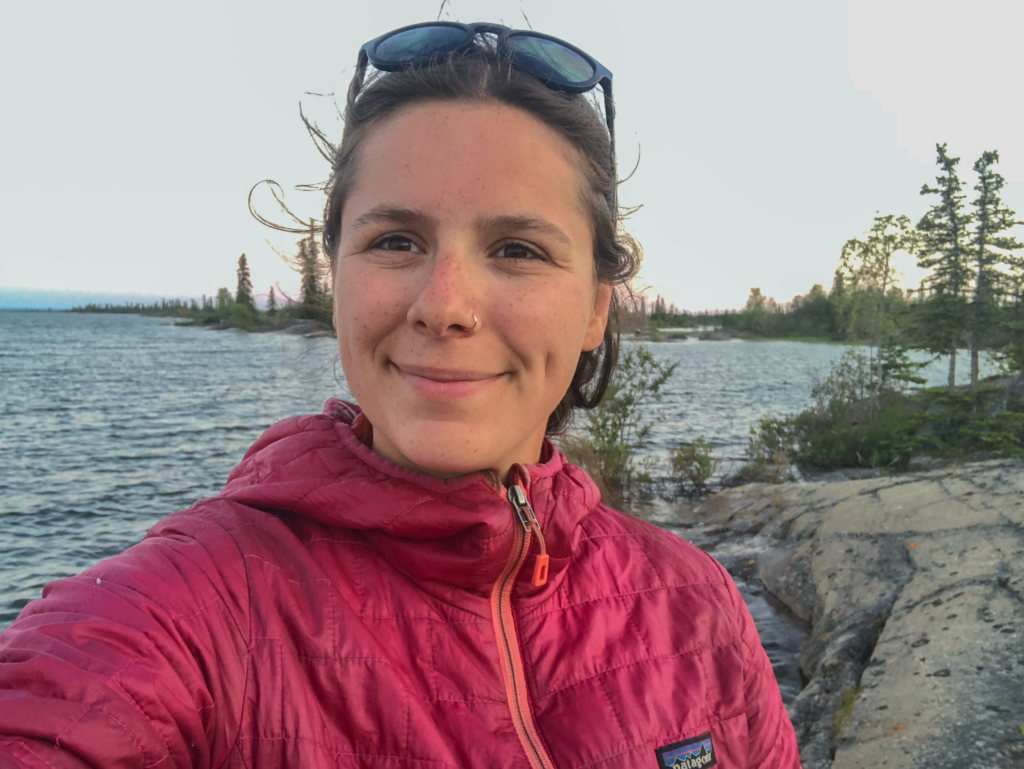
Rachel was born and raised in Sǫ̀mba K’è (Yellowknife), Denendeh where she still lives today. She is a nêhiyaw-English paddler and land-based learning advocate. In 2019, she completed a Bachelor of Commerce specializing in Entrepreneurship at the University of Victoria. Rachel is a Dechinta alumni where she received a certificate in Community Land-Based Research. Currently, Rachel is working on a Masters of Indigenous Land-Based Education at the University of Saskatchewan where her work focuses on the resurgence of Indigenous canoe practices. Rachel has been delivering land-based programs across the North since 2013. She is passionate about supporting Indigenous peoples to strengthen their connection to the land as she believes it is foundational for the resurgence of Indigenous cultures, languages, and ways of being. However, Rachel has also experienced program participants being in distress, and feeling unprepared to support them. These experiences inspired Rachel to found Supporting Wellbeing.
Maxine Lacorne

| Project Coordinator

Sǫ̀mba K’è, NWT

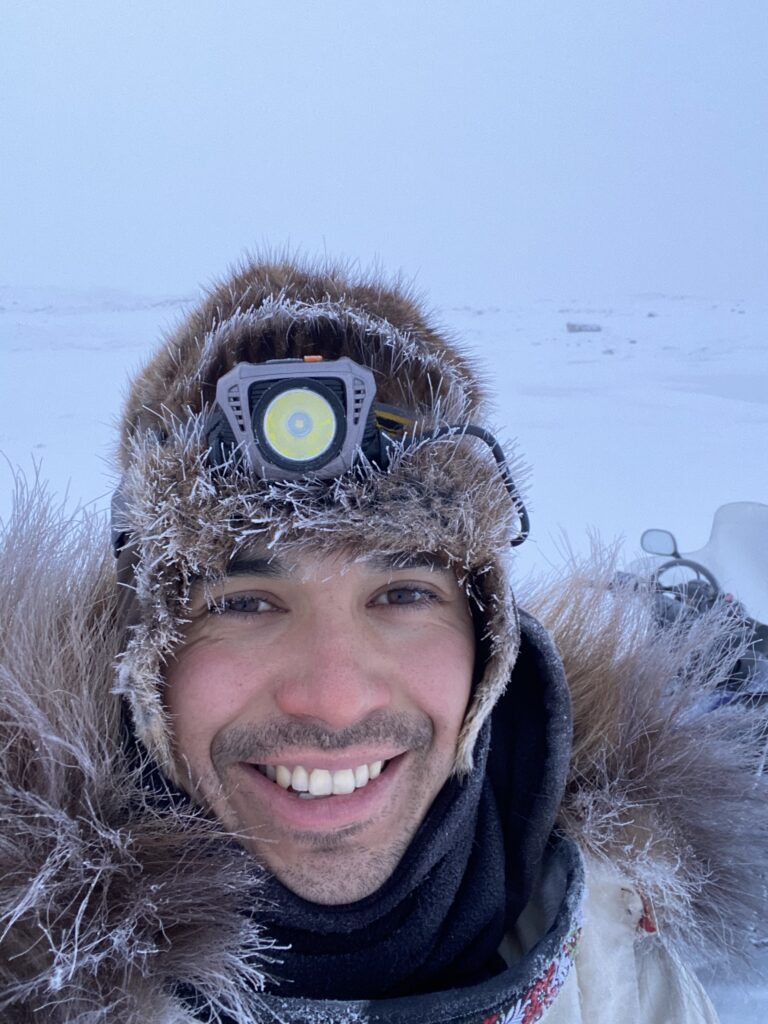
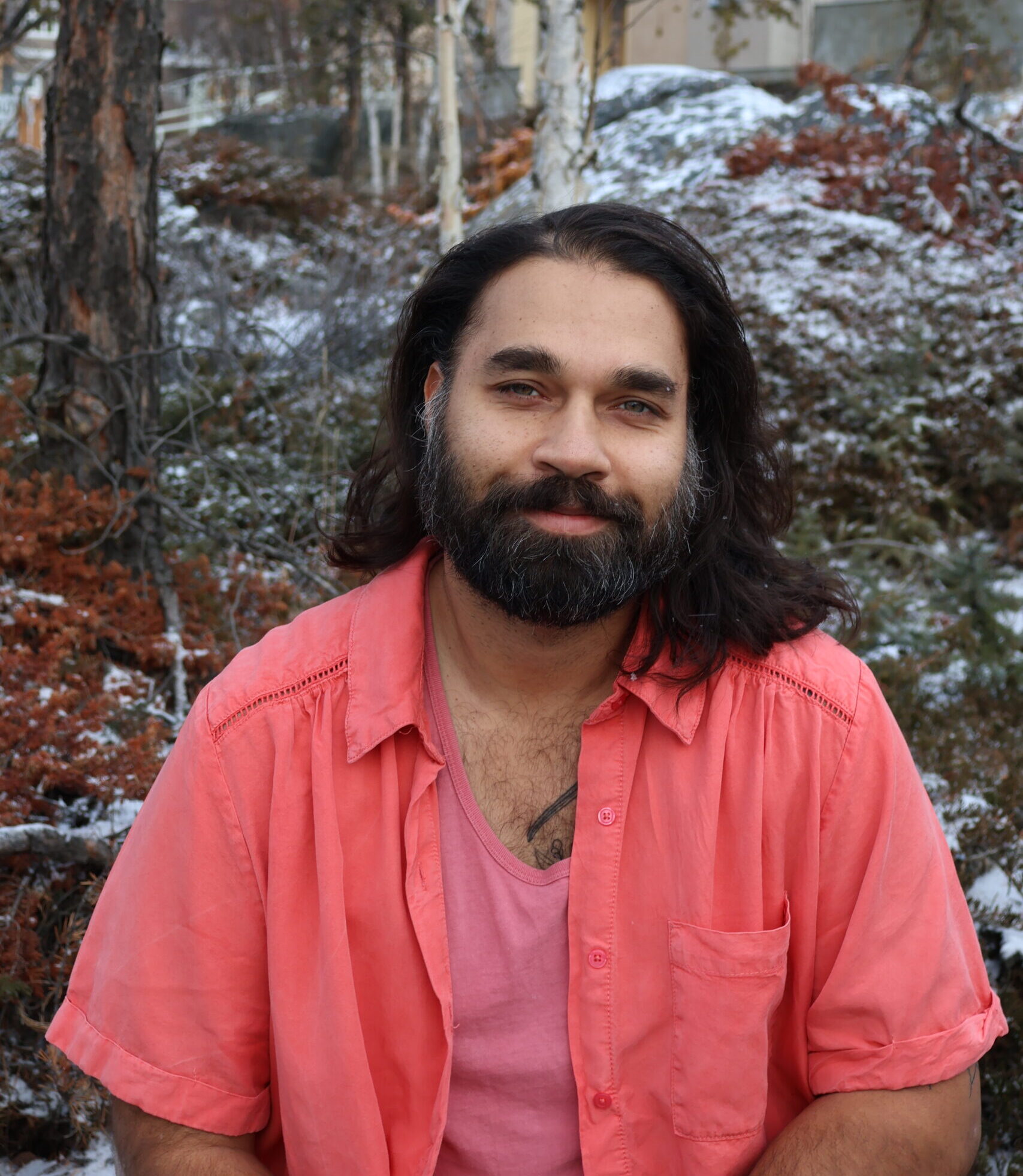
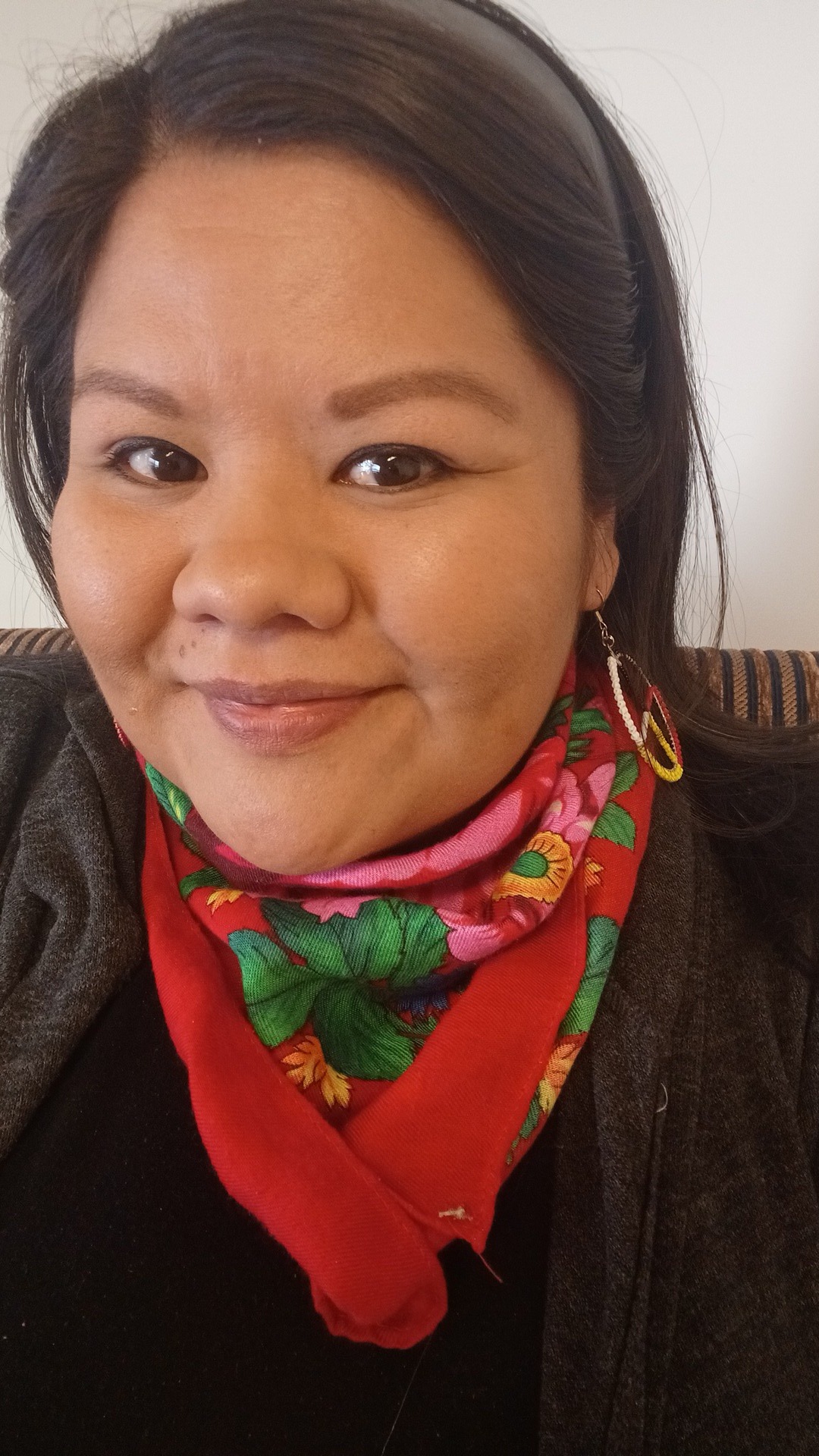
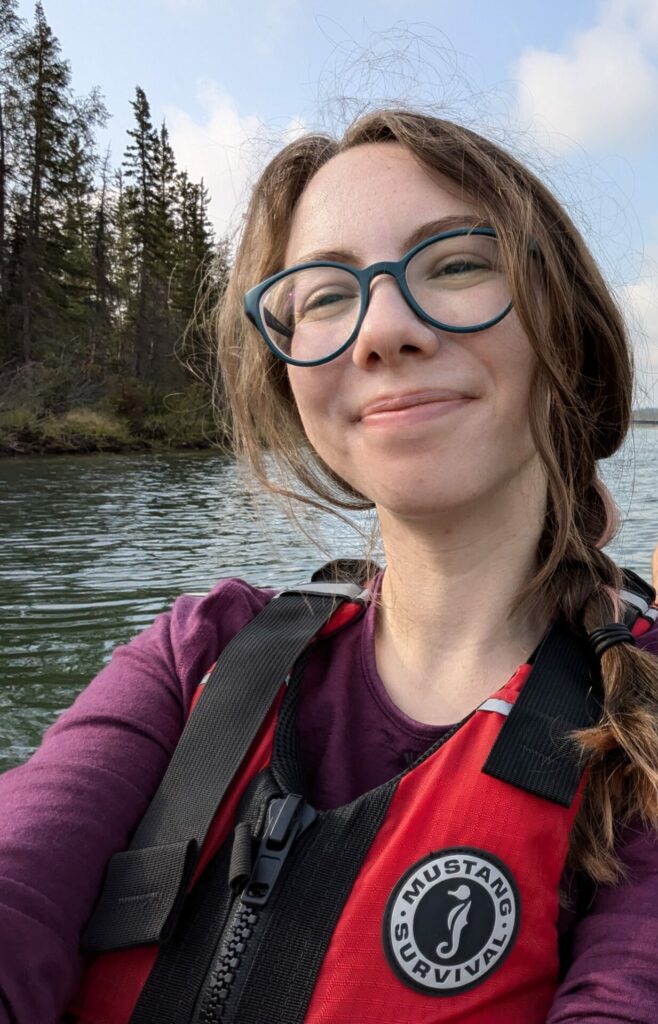
Maxine Lacorne born and raised in Zhatíe Kúe/Fort Providence. She moved to Sòmbe K’è/Yellowknife after completing her Secondary High School Diploma in 2005 and continues to live there with her three children and common-law. Maxine’s learning and career path brought her to a variety of organizations where she gained knowledgeable skills working for/with people of the North in supporting/helping and advocating role. She worked with all aged groups for ten years. During her learning path, Maxine also starting her healing journey and continues to walk the path of recovery and does her best to be a voice for those unable to speak their own truth and advocates/support for Healing, Mental Health Awareness, Intergenerational Healing & Reclaiming and Revitalization of Traditions/Culture and Language. Maxine returned back to school and was in the Social Work Program with Aurora College and in the Addictions and Community Service Worker Diploma with CDI College and comes with certifications in Trauma Recovery, Grief & Loss Support, Trauma Informed Strategies & Approaches, counselling skills in variety of methods and other certifications in mental health first aid and working with/for Residential School Survivors and their families. Through her own healing journey and path of recovery, Maxine gained awareness of Westernized & Indigenous and Holistic Healing Approaches and understands the importance of land-based healing is crucial to Indigenous Healing.

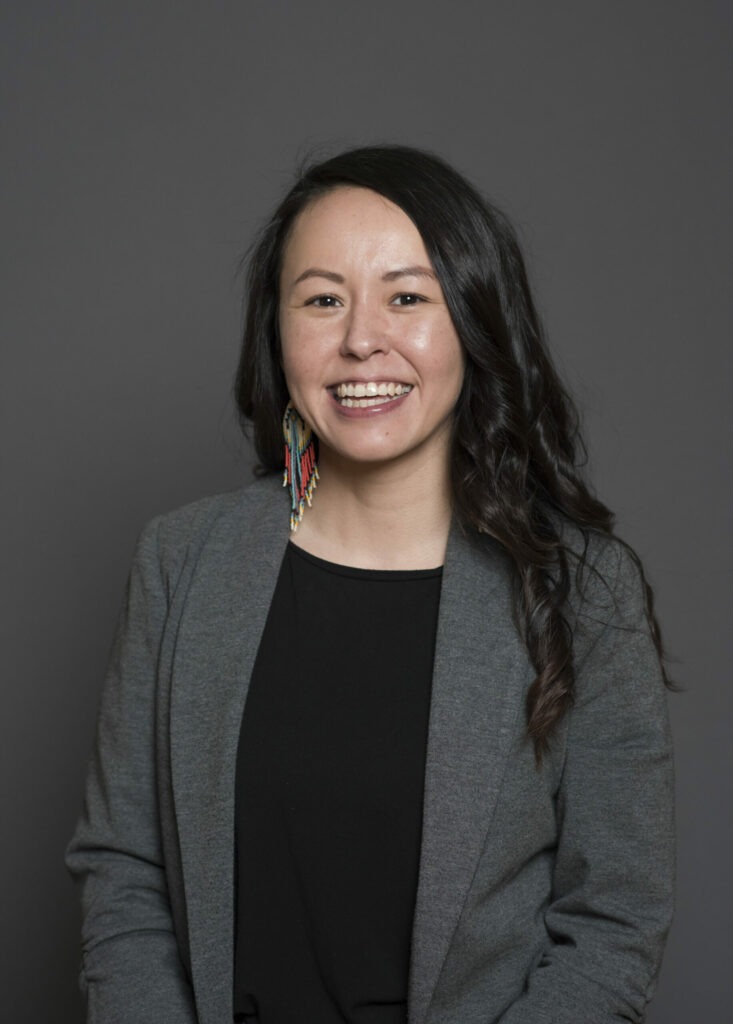
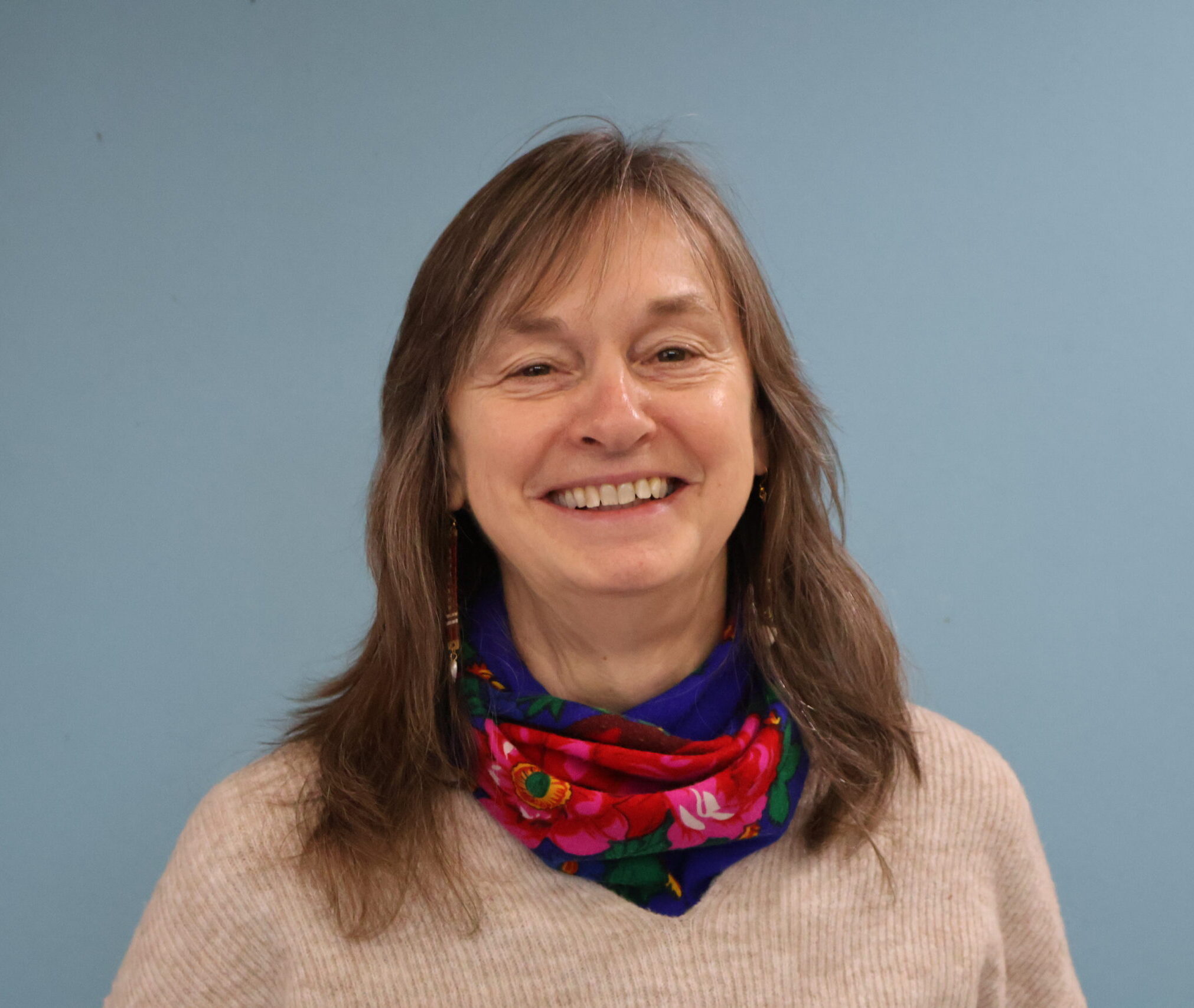
Katharine Thomas

| Communications Coordinator

Sǫ̀mba K’è, NWT

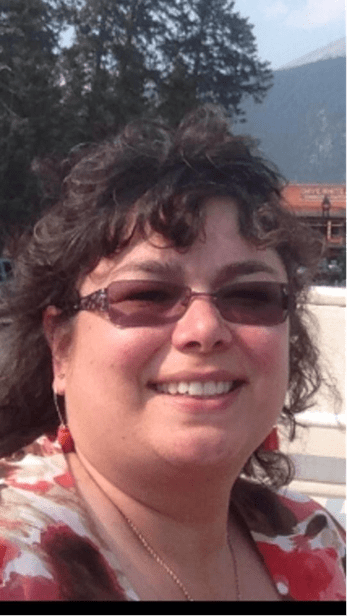
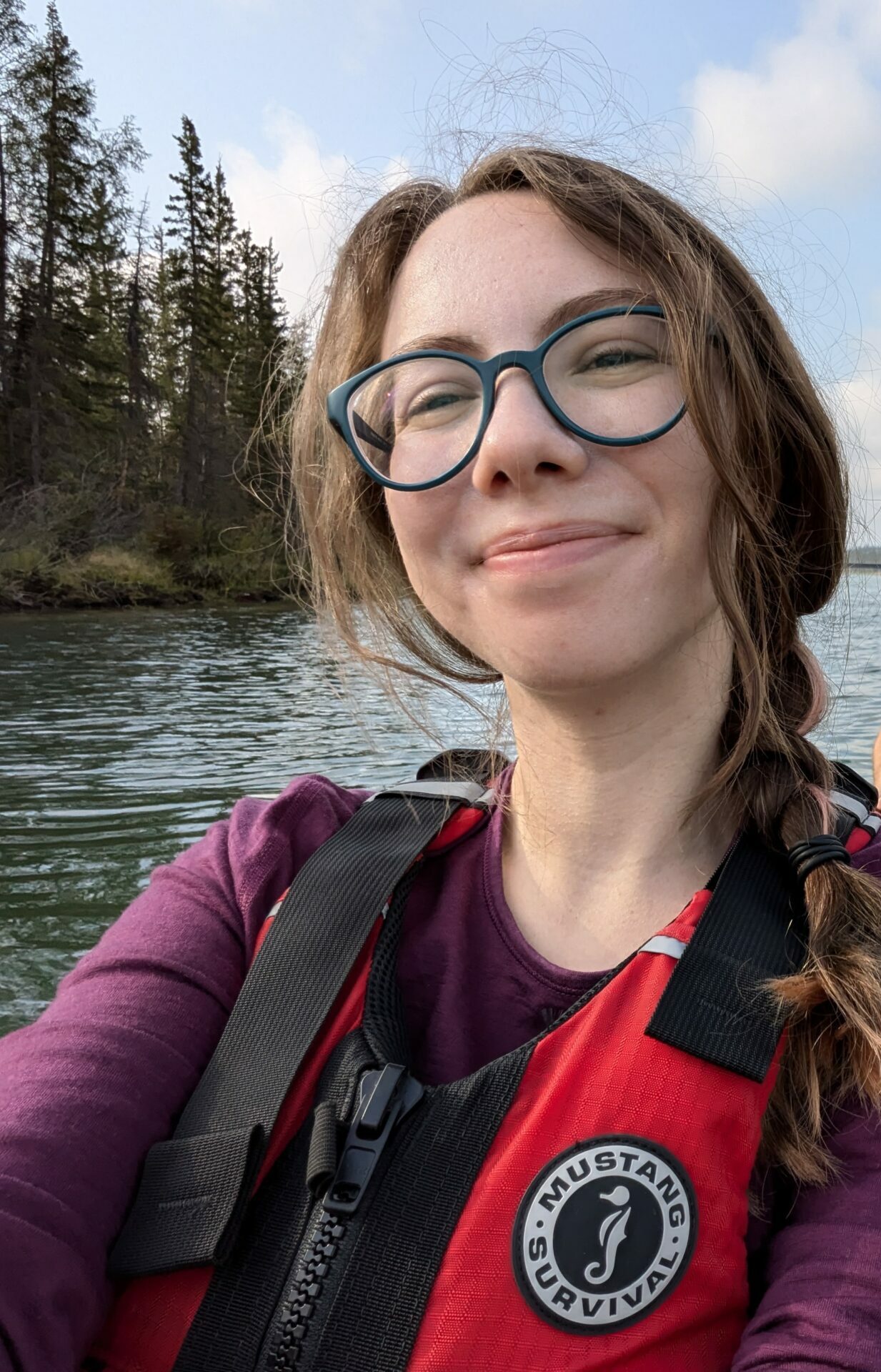
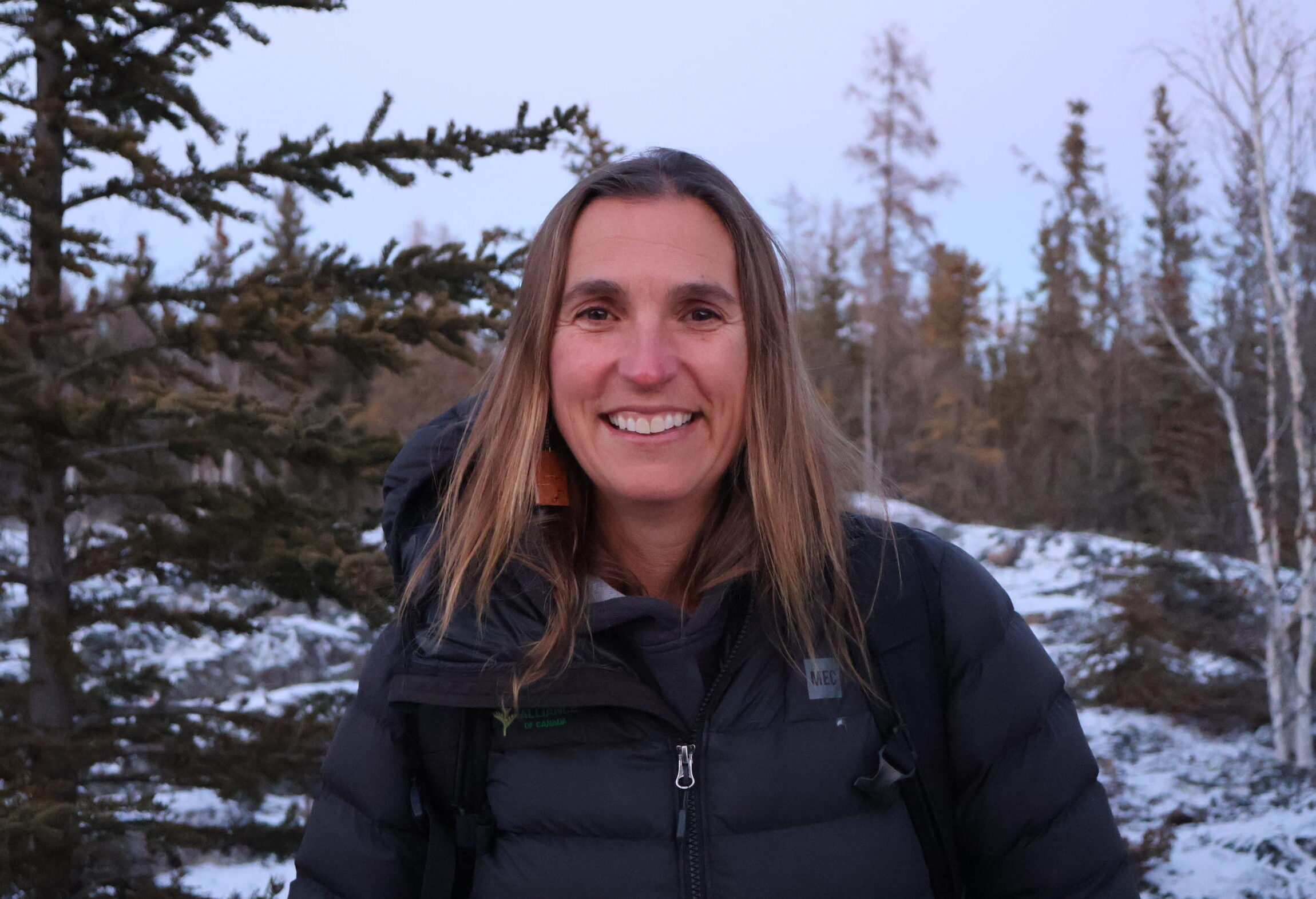
Kat was born and raised in Sǫ̀mba K’è, Denendeh / Yellowknife, NT, she is a settler-Canadian with roots in New Brunswick and Ontario. She went to school in Halifax at the University of King's College and Dalhousie University, where she studied psychology and biology. After returning to the north, Kat dedicated her time to working and volunteering for nonprofits with a focus on social-justice and environmental sustainability. In addition to working part-time as the Communications Coordinator for Supporting Wellbeing, she works as a consultant for other northern nonprofits and research projects, focusing on projects related to mine remediation, youth leadership, and climate change adaptation. Kat is passionate about using graphic design and plain-language principles to make information more accessible for northerners.

Our work is guided by the experience, knowledge and expertise of a Steering Committee and Advisory Council.

Supporting Wellbeing (a project of MakeWay Charitable Society) is guided by a volunteer steering committee, which includes land-based leaders from across the NWT. The steering committee is responsible for the overall leadership of the project and provides advice on the development and delivery of curriculum and programming.

Kristen Tanche

| Co-Chair

Łı́ıd́lı̨ı̨ Kų́ę́ , NWT

Kristen is a co-chair of the Supporting Wellbeing steering committee. She reviews the finances of the project and helps guide the curriculum development and program delivery by sharing her expertise in land-based programming with a Dehcho Dene perspective. Kristen lended her expertise to co-organize Supporting Wellbeing’s Pilot Facilitator Training, near Łı́ıd́lı̨ı̨ Kų́ę́, in 2022. Kristen is Łı́ıd́lı̨ı̨ Kų́ę́ First Nation, Dehcho Dene. She is also of Icelandic and settler Canadian ancestry. Through Dechinta, Kristen attended numerous semesters of post-secondary Land-based education. She then attended Aurora College and graduated with a Social Work Diploma in Yellowknife and is currently working towards her Social Work Degree. Kristen was previously the Regional On The Land Program Coordinator for Dehcho First Nations and is now the Regional Health & Wellness Director.

Jimmy Ruttan

| Co-Chair

Inuuvik, NWT

Jimmy is a co-founder and steering committee member for Supporting Wellbeing who helps guide the curriculum development and delivery of the project by sharing his expertise in delivering on the land wellness programs through Project Jewel. Jimmy has supported this project by helping organize and deliver the pilot training of Supporting Wellbeing. Jimmy is a settler Canadian who has been living in Inuuvik/Inuvik for over 13 years. He is the Manager of On-the-Land-Wellness Programs at the Inuvialuit Regional Corporation, where for 7 years, he has been developing the trauma-informed, land-based health & wellness program, Project Jewel. He has worked as a Youth Outreach & Land Program Coordinator with the Inuvik Justice Committee’s Youth and Family Support program. Jimmy has also worked for the GNWT Department of Justice and the Inuvik Youth Centre Society. Jimmy has a diploma in Community Social Work and is a certified Mental Health First Aid instructor.

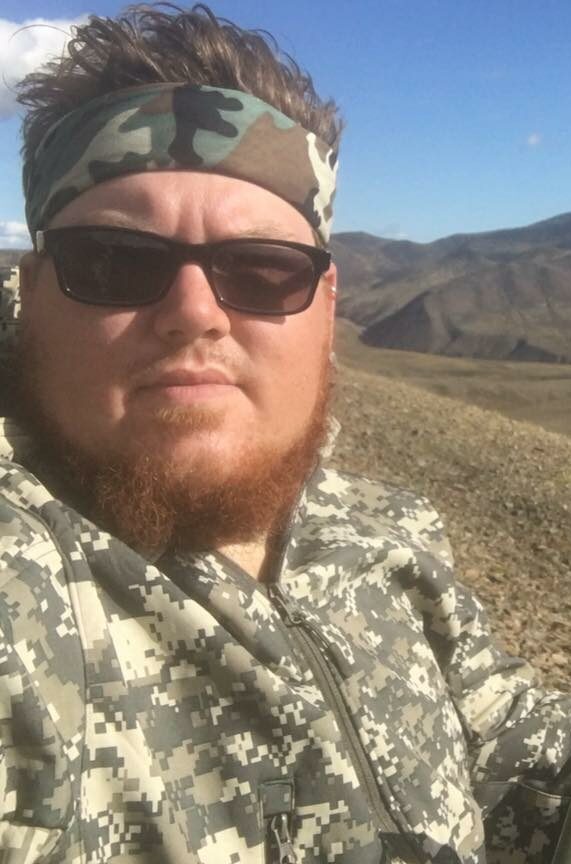
Matthew Brien

| Vice-Chair

South Slave Representative

Matt Brien was born and raised on Yellowknives Dene territory in Somba K'e. His family is Dene from Salt River First Nation and Nova Scotian.

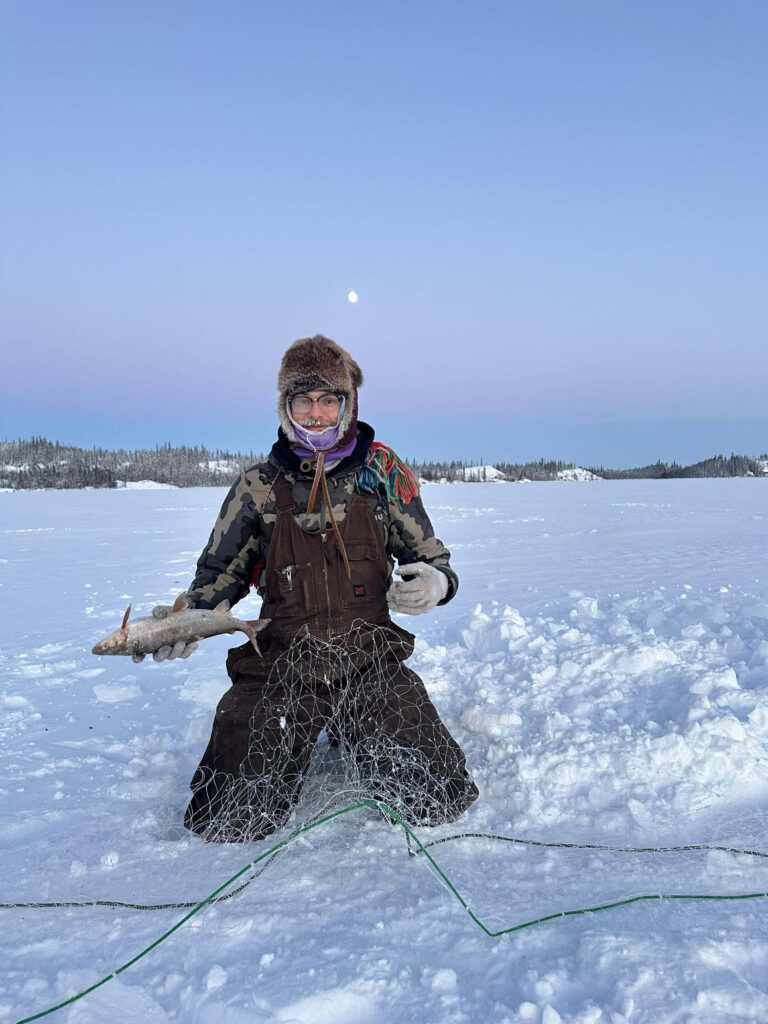
In the winter season he loves being out for long days on the Land trapping and fish netting, while his summer is split between harvesting, moose hide tanning, and rock climbing. He is currently finishing his last semester of a bachelors degree in Indigenous governance at Yukon University.

Matt believes that Supporting Wellbeing's mandate to provide land-based learning opportunities that are safe and supportive for communities and individuals is foundational to creating futures where Indigenous peoples can thrive. He is excited to be involved as a member of the Steering Committee and is looking forward to making the most of the experience!

Supporting Wellbeing has an Advisory Council composed of on the land leaders from various regions of the NWT who guide the development and delivery of Supporting Wellbeing curriculum and programming for on the land leaders in the North.

Mandee McDonald

Sǫ̀mba K’è, NWT

Mandee McDonald is a hide tanner, workshop facilitator, and a PhD candidate in the Faculty of Native Studies at the University of Alberta where her work focuses on Indigenous governance and land-based learning. She is a co-founder and the Hide Camp Director for Dene Nahjo, a Dene-led innovation and arts collective that fosters Indigenous leadership skills and values through community-based programming. Mandee is Ininéw from Churchill, Manitoba, a member of York Factory First Nation, and has lived in Sombak’e most of her life.

Tammy Steinwand

Behchokǫ̀, NWT

Tammy Steinwand-Deschambeault is a Tłı̨chǫ Citizen from Behchokǫ̀, NT. Tammy graduated from the University of Saskatchewan with a Bachelor of Education. Tammy taught in Behchokǫ̀ for years before moving to the Culture and Language Coordinator position at Tłı̨chǫ Community Services Agency. Tammy helped create an immersion program in Behchokǫ̀ that is still running today. Tammy assisted the GNWT with curriculum development of Northern Studies and the Our Languages Curriculum. Tammy is the chair for the NWT Official Languages Board. Presently Tammy is the Department of Culture and Lands Protection Director for the Tłı̨chǫ Government. She holds a master’s degree through the University of Victoria on Indigenous Language Revitalization. As a SWB Advisory Council member, Tammy guides the curriculum development by sharing her expertise and insights on land-based programs, curriculum development, and Tłı̨chǫ way of life.

Tanya Snowshoe

Inuuvik, NWT

Tanya is a young Dene woman who was born and raised in Inuvik. She comes from a huge family that both reside in Fort McPherson and Fort Good Hope. She is an intergenerational survivor with both parents and one grandparent that have attended Residential School. Tanya is currently in her final year with the Northern Indigenous Counselling Program with Rhodes Wellness College. She is Team Lead for the Mental Health and Addiction Recovery Advisory Board as well as a regular member with the Mental Health Act Review board. Both boards are with the GNWT. One day she hopes to be a strong Mental Health and addiction advocate ensuring everyone's mental wellbeing is well taken care of. She prides herself on recovery with just short of seven years of sobriety from alcohol. Tanya recently had a son, Wilson, in April 2024 and strives to provide the best life for her son. A life where he does not need to heal from generational trauma.

Denenize Basil

Akaitcho Representative

Denenize is originally from Łutselkʼe, NT and now lives in Yellowknife, NT. Hisfamily are the late Albert and Sara Boucher.

He was raised on the land, where he learned his culture, traditions, and how to hunt and trap. He has been involved in many on-the-land programs throughout the past 15 years.

Denenize believes the work thatSupporting Wellbeing does is importantfor supporting a connection to culture and tradition. The community needs to be able to bring cultural practices back to life and to share them with others before it fades.

He is excited to be part of the Advisory Council because he wants to help make decisions that support cultural revitalization and strengthen our people and communities. He hopes to contribute his on‑the‑land knowledge, his understanding of Dene culture and traditions, and his program experience and people skills he has built over the years.

Jennie McPherson

Sahtú Representative

Jennie is Sahtúgot’ı̨nę Dene from Délı̨nę, Northwest Territories, and has spent over twenty years supporting Indigenous-led initiatives grounded in land, language, culture, and wellness across community, territorial, federal, and international contexts.

Her work includes environmental science and stewardship, protected areas establishment, wildlife and water governance, and policy development within Indigenous-led conservation and governance systems. She is completing a Master’s in Indigenous Language Revitalization, focused on carrying forward ancestral teachings through language, story, and healing. Jennie brings a holistic perspective that bridges science, Dene knowledge, and community wellbeing.

Facilitators

Our facilitators are educated and experienced in delivering the subject matter in the SWB training sessions, and are responsible for engaging with monitoring and recording participant data. Read the facilitators’ bios to learn more about their expertise and experience.

Donald Prince led the curriculum development for Supporting Wellbeing (SWB) and continues to work with SWB as a Mentor to Facilitators-in-Training. He has been generous in sharing his knowledge and skills in regards to mental health, curriculum development, and facilitation.

Donald is Dakelh Dene from Nak’azdli in British Columbia. He grew up in the bush and has lived his Dakelh way of life by living off the Land. He has worked with communities that deliver on the land programs, mobile treatment programs, aftercare programs and other supports for over 30 years. Donald was the Executive Director of the Arctic Indigenous Wellness Foundation and led the development of their On the Land Healing Camp and Wellness Centre in Sǫ̀mba K’è / Yellowknife. Additionally Donald developed the first on the land healing camp in Canada that focused on addictions and trauma and was a founder and Executive Director of the National Addictions Counsellor Certification Board. He has contributed to research into addictions treatment, traditional healing, fetal alcohol syndrome, mental health, and community development.

Dëneze Nakehk’o is a Dehcho and Denesuline Dene from Łı́ı́dlı̨ı̨ Kų́ę́ First Nation. He is a founding member of Dene Nahjo and a Research Fellow with the Yellowhead Institute, with a strong background in northern media and storytelling. As a professional facilitator, Dëneze supports communities in dialogue, learning, and action. He is a passionate advocate for Indigenous knowledge systems, cultural revitalization, and self-determination.

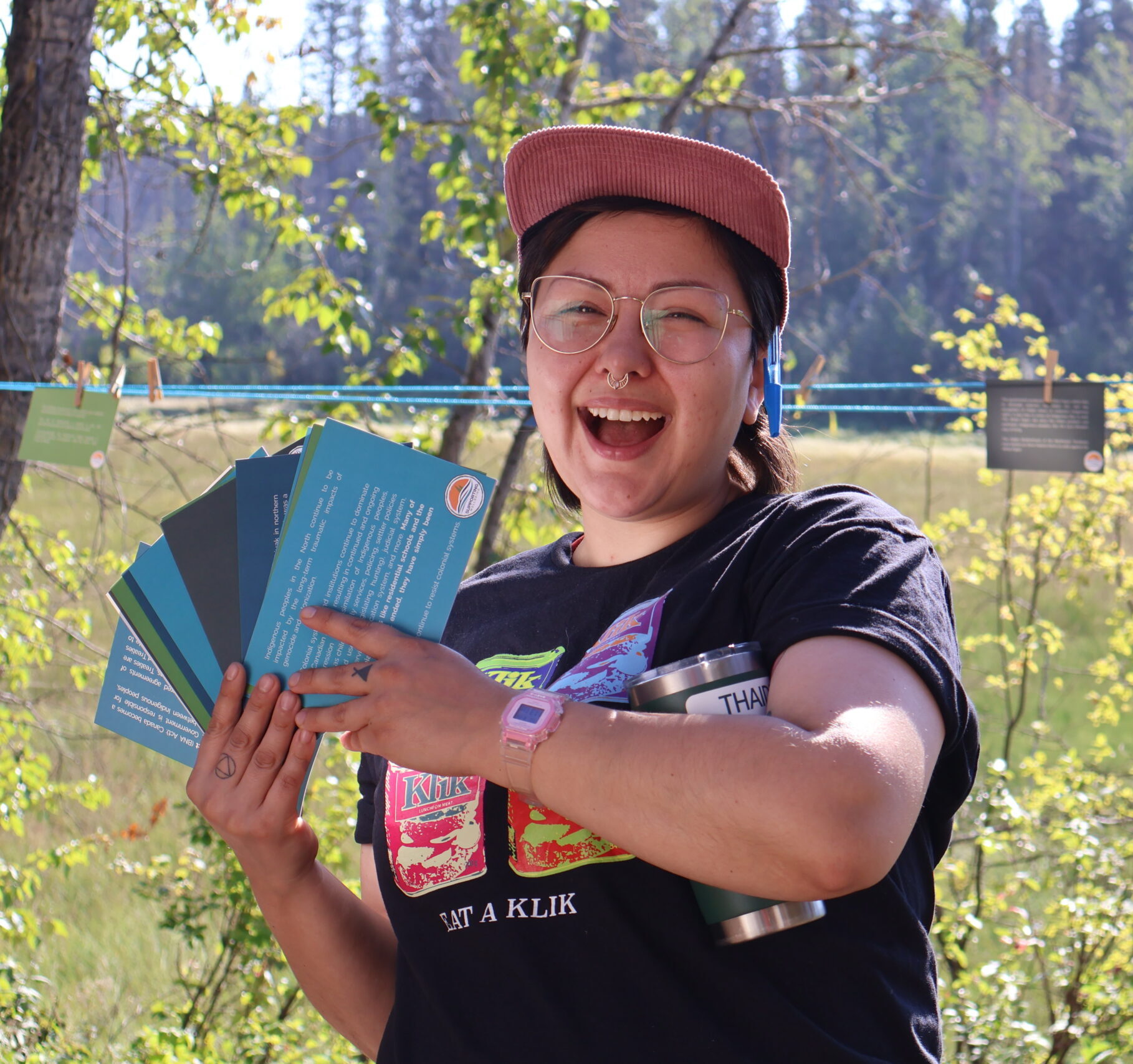
Mandee McDonald is a hide tanner, workshop facilitator, and a PhD candidate in the Faculty of Native Studies at the University of Alberta where her work focuses on Indigenous governance and land-based learning. She is a co-founder and the Hide Camp Director for Dene Nahjo, a Dene-led innovation and arts collective that fosters Indigenous leadership skills and values through community-based programming. Mandee is Ininéw from Churchill, Manitoba, a member of York Factory First Nation, and has lived in Sombak’e most of her life.

Kat was born and raised in Sǫ̀mba K’è, Denendeh / Yellowknife, NT, she is a settler-Canadian with roots in New Brunswick and Ontario. She went to school in Halifax at the University of King's College and Dalhousie University, where she studied psychology and biology. After returning to the north, Kat dedicated her time to working and volunteering for nonprofits with a focus on social-justice and environmental sustainability. In addition to working part-time as the Communications Coordinator for Supporting Wellbeing, she works as a consultant for other northern nonprofits and research projects, focusing on projects related to mine remediation, youth leadership, and climate change adaptation. Kat is passionate about using graphic design and plain-language principles to make information more accessible for northerners.

Maxine Lacorne born and raised in Zhatíe Kúe/Fort Providence. She moved to Sòmbe K’è/Yellowknife after completing her Secondary High School Diploma in 2005 and continues to live there with her three children and common-law. Maxine’s learning and career path brought her to a variety of organizations where she gained knowledgeable skills working for/with people of the North in supporting/helping and advocating role. She worked with all aged groups for ten years. During her learning path, Maxine also starting her healing journey and continues to walk the path of recovery and does her best to be a voice for those unable to speak their own truth and advocates/support for Healing, Mental Health Awareness, Intergenerational Healing & Reclaiming and Revitalization of Traditions/Culture and Language. Maxine returned back to school and was in the Social Work Program with Aurora College and in the Addictions and Community Service Worker Diploma with CDI College and comes with certifications in Trauma Recovery, Grief & Loss Support, Trauma Informed Strategies & Approaches, counselling skills in variety of methods and other certifications in mental health first aid and working with/for Residential School Survivors and their families. Through her own healing journey and path of recovery, Maxine gained awareness of Westernized & Indigenous and Holistic Healing Approaches and understands the importance of land-based healing is crucial to Indigenous Healing.

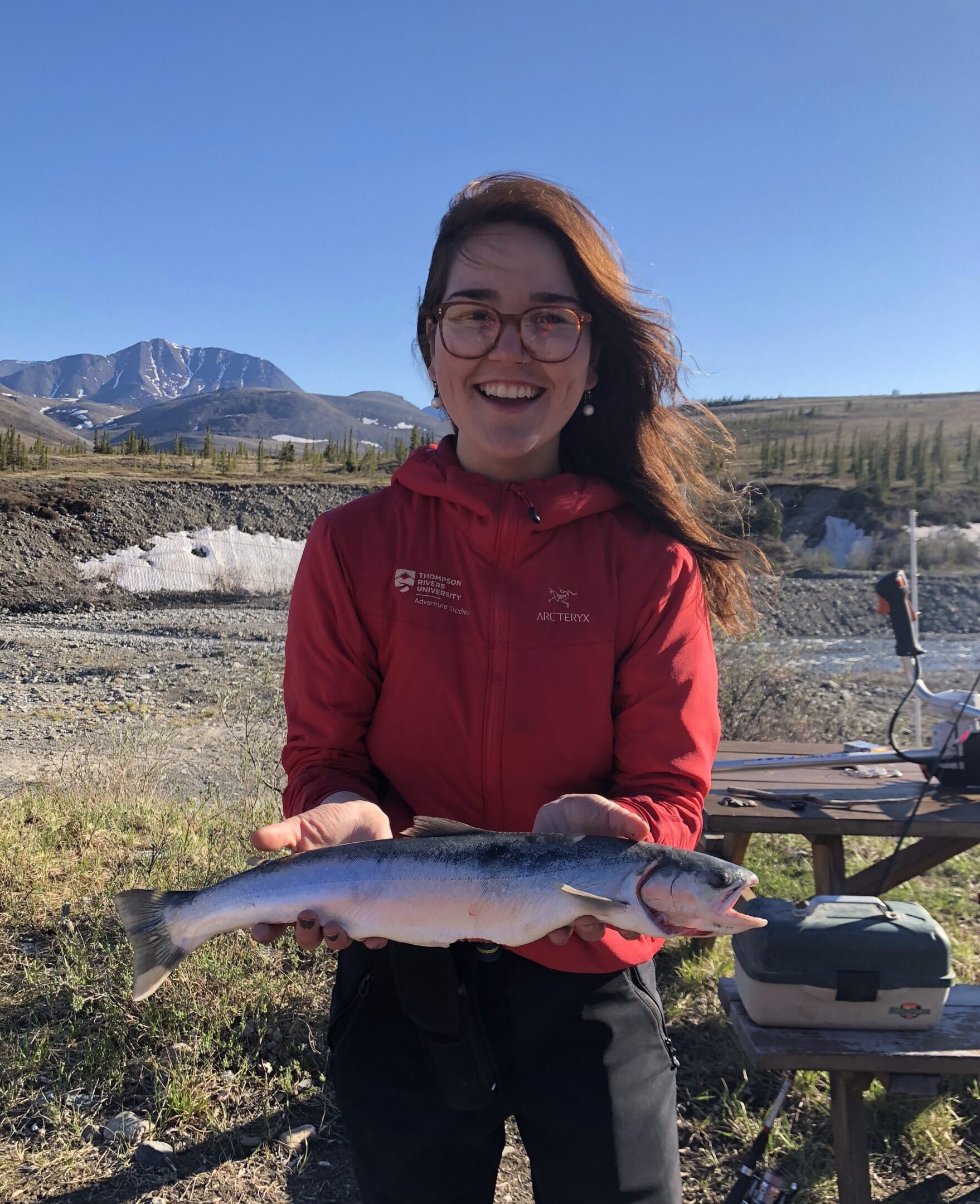
Rachel was born and raised in Sǫ̀mba K’è (Yellowknife), Denendeh where she still lives today. She is a nêhiyaw-English paddler and land-based learning advocate. In 2019, she completed a Bachelor of Commerce specializing in Entrepreneurship at the University of Victoria. Rachel is a Dechinta alumni where she received a certificate in Community Land-Based Research. Currently, Rachel is working on a Masters of Indigenous Land-Based Education at the University of Saskatchewan where her work focuses on the resurgence of Indigenous canoe practices. Rachel has been delivering land-based programs across the North since 2013. She is passionate about supporting Indigenous peoples to strengthen their connection to the land as she believes it is foundational for the resurgence of Indigenous cultures, languages, and ways of being. However, Rachel has also experienced program participants being in distress, and feeling unprepared to support them. These experiences inspired Rachel to found Supporting Wellbeing.
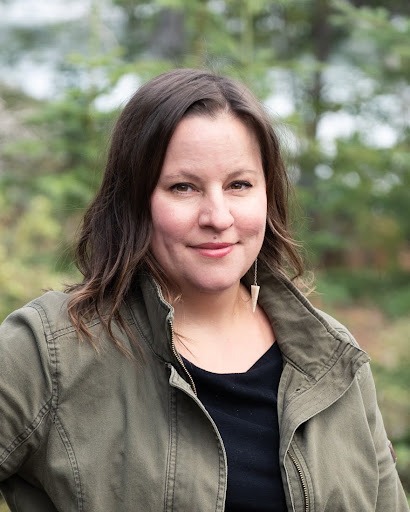
Megan was born and raised in Inuvik, NT. She moved to the hamlet of Aklavik after her post-secondary education journey in 2018 and continues to live there with her husband and daughter. Megan is currently the Regional Youth Coordinator for the Inuvialuit Regional Corporation (IRC). In this role, she coordinates the Regional Youth Advisory Group (RYAG), a youth group aged 18 – 30 encouraged to be in spaces of leadership.

She has experience in encouraging safe spaces for land-based learning through her involvement with the Project Jewel initiative as a Land Program Coordinator. Megan has worked alongside community members and IRC staff to facilitate and organize wellness land programs for the residents of Aklavik.

Megan currently is one of the Beaufort Delta facilitators for SWB. She has been involved with SWB since the very first pilot and feels passionate towards the initiative. She feels Supporting Wellbeing took the time to involve Indigenous organizations and affiliates across the NWT to adapt, edit, and adjust the program to fit the northern perspective. She finds facilitating is out of her comfort zone but felt comfortable once leading in the space. It’s a program that the Beaufort Delta can benefit from, and she is excited to see SWB delivering more training opportunities for those in community.

Our approach blends clinically researched practices in mental health group work with Indigenous practices and expertise.